What are the Different Types of Road Traffic Signs?
Road traffic signs play a crucial role in our daily lives. They guide drivers, pedestrians, and cyclists, ensuring safety on the roads. With so many types of road traffic signs, it can be challenging to understand their meanings. Each sign serves a specific purpose and communicates vital information to road users.
These signs can be categorized into various types. Warning signs alert drivers to potential hazards. Regulatory signs indicate rules that must be followed. Informational signs provide guidance about directions, distances, and points of interest. Yet, many people still misinterpret these signs, leading to confusion and accidents. It’s important to familiarize ourselves with them to enhance road safety.
It's easy to overlook road traffic signs in our daily routines. Sometimes, we may ignore their warnings or miss important instructions. Reflecting on our understanding of these signs can improve our driving habits. Ultimately, enhancing our awareness of road traffic signs can lead to safer roads for everyone.
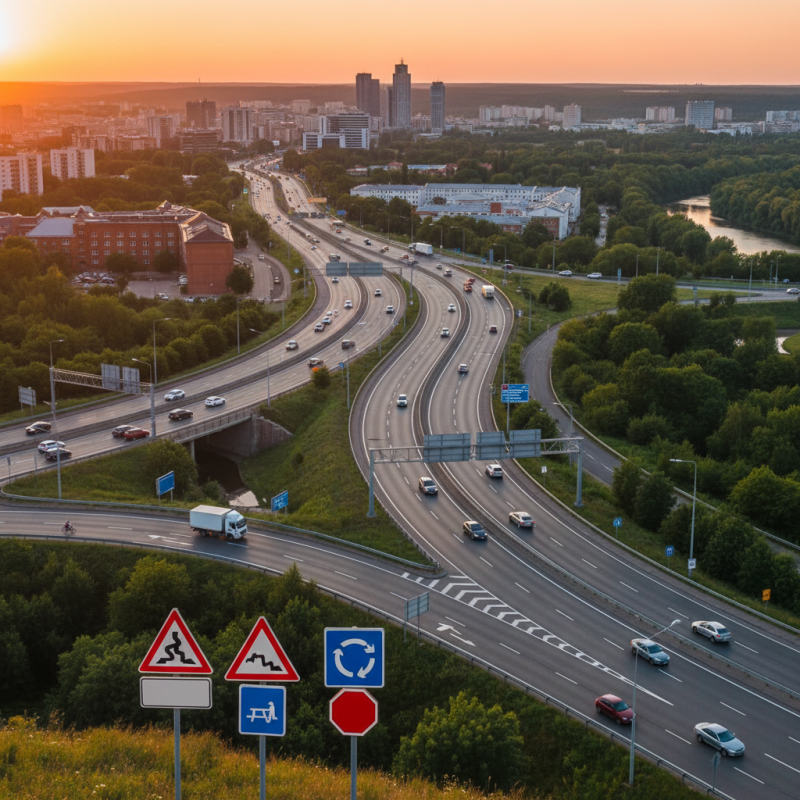
Types of Road Traffic Signs: An Overview of Categories and Functions
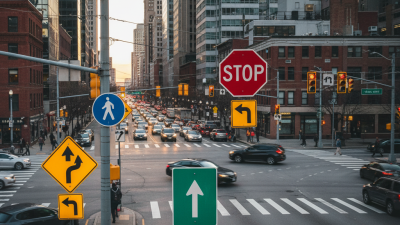
Road traffic signs can be categorized into several types. Each sign plays a crucial role in ensuring road safety and guiding drivers. Regulatory signs, for example, inform drivers of laws they must follow. These include speed limits and no parking signs. Warning signs alert drivers to potential hazards ahead, like sharp turns or pedestrian crossings. Informational signs provide useful information. They include directions and distances to various destinations.
Tips: Always observe the color and shape of the signs. They often indicate their purpose. For instance, red usually means stop or danger. Yellow often signals caution. Understanding these colors can be vital for safety.
Despite their importance, some drivers may overlook signs. This can lead to accidents or fines. Maintaining focus is essential. Look ahead and scan for any signs. Remember, a single moment of distraction can have serious consequences. Always respect the road signs and stay vigilant.
What are the Different Types of Road Traffic Signs?
| Type |
Function |
Color |
Examples |
| Regulatory Signs |
Indicate laws or regulations |
Red, White |
Stop, Yield |
| Warning Signs |
Alert drivers to potential hazards |
Yellow, Black |
Curve, Intersection |
| Guide Signs |
Provide direction or information |
Green, Blue, Brown |
Exit, Tourist Info |
| Construction Signs |
Indicate road work or construction areas |
Orange, Black |
Detour, Road Work Ahead |
| Information Signs |
Provide useful information, such as distance and services |
Blue, Green |
Rest Areas, Mileage Signs |
Regulatory Signs: Ensuring Compliance and Safety on Roadways
Regulatory signs play a crucial role in maintaining order and safety on the roadways. According to the National Highway Traffic Safety Administration, about 40% of road accidents are linked to non-compliance with traffic signs. These signs indicate required actions, such as stopping or yielding. Failure to obey these signs often leads to serious collisions.
Consider a stop sign. It seems simple, yet its importance cannot be overstated. Research shows that intersections with stop signs reduce accidents by over 25%. However, not every driver recognizes their significance. A study revealed that nearly 10% of drivers roll through stop signs, neglecting their duty to others. This behavior can result in devastating consequences.
Another example is the speed limit sign. In areas with strict enforcement, fatal accidents decreased by 18% compared to regions lacking these signs. Yet, many drivers exceed limits, believing they can maintain control. Speeding often results in a limited reaction time, making it harder to avoid unexpected obstacles. Awareness and respect for regulatory signs are mandatory for everyone on the road.
Warning Signs: Indicators of Potential Hazards Ahead
Warning signs play a crucial role in road safety. They alert drivers to potential hazards ahead. Recognizing these signs can significantly reduce accident risks. According to the National Highway Traffic Safety Administration, ineffective signage contributes to nearly 10% of all road accidents. This statistic underscores the importance of clear and visible warning signs.
Common warning signs include curves ahead, steep grades, and pedestrian crossings. Each sign conveys a specific risk. For instance, a “Slippery When Wet” sign warns drivers of potential traction loss. The visual cue can help prevent accidents. Yet, some drivers often overlook these signals. They may speed past, underestimating the danger.
Moreover, the placement of these signs is critical. If they're obscured by foliage or positioned poorly, their effectiveness diminishes. Studies show that 30% of drivers fail to notice warning signs in poorly lit areas. This raises concerns about road design and maintenance. Ensuring signs are illuminated and unobstructed is essential for safety. As we reflect on these issues, it’s clear that improving warning sign visibility is vital for reducing accidents.
Informational Signs: Guiding Drivers with Essential Information
Informational signs play a crucial role in road safety. They provide essential details that help guide drivers during their journey. For example, distance markers indicate how far one is from their destination. These signs also offer valuable information about nearby facilities, such as gas stations and rest areas. Without these signs, navigating unfamiliar roads would become a daunting challenge.
Further, warning signs about road conditions help prepare drivers for potential hazards. Pothole warnings require attention. Drivers often overlook such signs. It’s easy to miss a subtle reminder, leading to accidents. Another significant sign type is the speed limit indicator. Many drivers choose to ignore these limits, which can lead to severe consequences. Clear speed limit signs are essential, yet compliance remains an ongoing issue.
Informational signs can sometimes be overloaded with details. Too much information may confuse drivers instead of guiding them. Choosing the right color and size for visibility is critical. Sign placement should be thoughtful, as poor positioning can lead to misunderstandings. Each sign needs careful consideration to serve its purpose effectively. Achieving perfect clarity in road signage is a continuous challenge that requires reflection and improvement.
Road Markings: Enhancing Traffic Flow and Lane Management
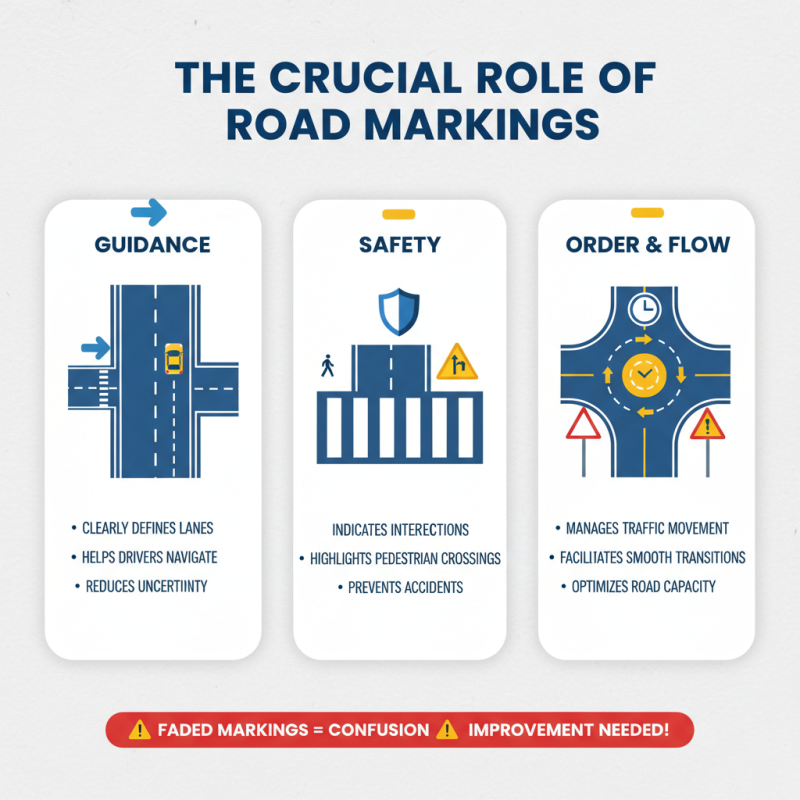
Road markings play a crucial role in managing traffic flow. They guide drivers and help maintain order on the roads. By clearly indicating lanes, intersections, and pedestrian crossings, road markings contribute to road safety. When lanes are well-defined, drivers can navigate with confidence. However, faded markings can lead to confusion. This is an area that often needs improvement.
In urban areas, road markings can become cluttered. As more lanes are added, it may create confusion. Sometimes, drivers may miss subtle cues. A simple change, like using bright colors, can enhance visibility. This improvement can help prevent accidents and improve traffic flow. But it's important to regularly maintain these markings.
Moreover, some markings may not be entirely effective. For instance, arrows indicating turn directions might not be clear. Drivers need to pay careful attention. There are situations where road markings fail to communicate essential information accurately. Regular assessments can help highlight these issues. Enhancing lane management with clear markings can lead to safer roads for everyone.
Conclusion
Road traffic signs play a crucial role in maintaining order and safety on our roadways. They can be categorized into several types, each serving a specific function. Regulatory signs, such as speed limits and stop signs, ensure compliance with traffic laws, while warning signs alert drivers to potential hazards, such as sharp turns or pedestrian crossings. Informational signs provide essential details, guiding drivers about directions and points of interest, thus enhancing their overall travel experience.
In addition to these signs, road markings are vital for traffic flow and managing lanes, helping drivers navigate safely. As diverse road users become increasingly common, multilingual signage has emerged to improve accessibility, ensuring that all drivers can understand the necessary information. Together, these various road traffic signs contribute significantly to road safety, effective communication, and the smooth operation of transportation systems.
.png)