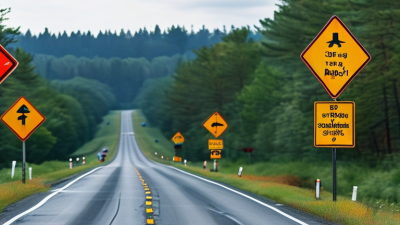
What Are the Top Road Sign Types to Buy in 2026?
In 2026, choosing road signs is less about buying the most popular design and more about matching each sign to its setting. A quiet parking lot, a busy private road, and a temporary work area have different needs. Drivers must be able to notice a sign, read it quickly, and understand what to do next. Visibility matters.
This guide looks at practical sign types to consider, including stop, yield, speed limit, warning, parking, construction, and directional signs. Each serves a different purpose. A warning sign may help flag a sharp turn or low clearance, while a clear directional sign can reduce confusion near an entrance. Still, the best choice depends on traffic, viewing distance, lighting, and placement. A sign that looks clear in a catalog may be harder to read beside trees or under poor lighting.
Buyers should also compare materials, reflective finishes, mounting options, and expected exposure to weather. Lower prices can be tempting, but a sign that fades or becomes difficult to read may need earlier replacement. That tradeoff deserves a closer look. No single material or sign type suits every site, and this overview cannot replace checking applicable local requirements. Before ordering, confirm the wording, size, and installation plan with the relevant authority or a qualified sign professional. Small details matter. A careful choice can make everyday routes easier to understand and help people respond with greater confidence.
How Road Signs Are Classified by Purpose
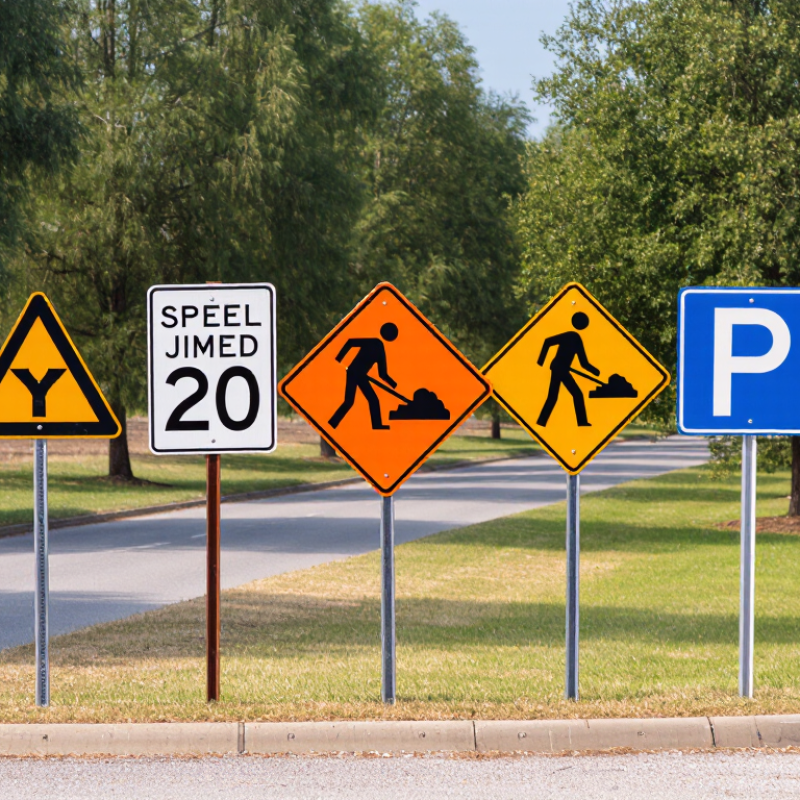
Road signs are best classified by the job they perform, not just by their shape. Regulatory signs communicate rules, limits, or restrictions, so drivers can make clear, timely decisions. Warning signs flag conditions ahead, such as a sharp bend, a low clearance, or a slippery road. Guide signs point toward destinations, services, and routes. Work-zone signs alert drivers to temporary changes, while pedestrian and school-area signs highlight places where people may cross.
For a 2026 purchase, match the sign type to the location and the risk. A warning sign near a blind curve needs strong visibility from a useful distance. A guide sign should be easy to read without making drivers search for information. Consider the mounting surface, weather exposure, viewing angle, and nighttime visibility. Local requirements may specify materials, dimensions, or placement, so verify them before ordering. A sign can be durable and still be poorly positioned.
Tips: Stand where drivers will first see the sign, then check whether trees, parked vehicles, or glare obscure it. Keep wording brief. Choose contrast that remains clear in rain and low light. If the sign’s purpose feels uncertain, review the site conditions before buying.
Regulatory Signs for Rules, Limits, and Restrictions
Regulatory signs communicate what drivers must do, may do, or must avoid. For a 2026 purchase, prioritize stop, yield, speed-limit, no-entry, and parking-restriction signs that match the road’s actual rules. The Federal Highway Administration’s 11th Edition MUTCD sets national guidance for sign design, placement, and traffic-control devices. Check its specifications before ordering; familiar colors and shapes help, but they cannot fix a sign placed too late or hidden by a tree.
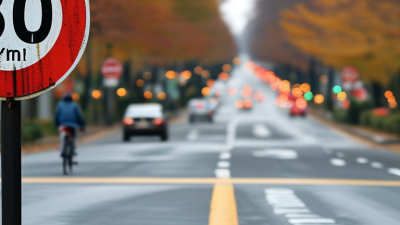
Durability matters. Choose the required size and reflective sheeting for the road’s speed, lighting, and weather, then inspect mounting hardware and visibility from a driver’s approach. Small details count. A speed-limit sign partly covered by branches can be hard to read, especially at night. NHTSA reported 40,901 U.S. traffic deaths in 2023; that figure does not show that signs alone prevent crashes, but it underscores the stakes of clear road communication. Don’t treat the number as a sales claim. Before buying, confirm local specifications and document sign condition, placement, and replacement needs. A reflective surface may still fail if dirt, fading, or glare obscures its message. I would recheck visibility after installation, not assume the job is finished.
Warning Signs for Hazards, Schools, and Pedestrian Areas
Warning signs work best when they identify a specific hazard before drivers reach it.
For curves, steep grades, or changing road conditions, choose a sign with a clear symbol and strong contrast. Check that its size and reflective material suit the road’s speed, lighting, and viewing distance. A sign that looks clear in a showroom may be hard to read in rain.
School and pedestrian areas need especially simple messages.
A school crossing sign can alert drivers to children near the road, while a pedestrian crossing sign helps mark where people may enter traffic. Add a school-zone notice only when it fits the site and local requirements. Too many signs can compete for attention. Keep sightlines open, and avoid placing signs behind branches, parked vehicles, or street furniture.
Material and mounting matter, too.
Choose weather-resistant signs with secure posts, then plan regular checks for fading, damage, and obstruction. Small details count. A sign tilted away from approaching traffic may lose visibility, even if its message is correct. One easy mistake is expecting a warning sign to solve the whole problem. It cannot slow a driver by itself; crossing design, lighting, and traffic measures may also be needed. When conditions are unusual, have a qualified traffic professional review the placement and sign selection.
Guide and Work-Zone Signs for Navigation and Temporary Control
What Are the Top Road Sign Types to Buy in 2026?
For navigation, prioritize guide signs that give drivers enough time to choose a lane or turn. Directional arrows, destination panels, and route markers work best when lettering stays readable from a moving vehicle. The Federal Highway Administration’s 11th Edition of the Manual on Uniform Traffic Control Devices provides guidance on sign design, colors, and placement. Check local requirements before ordering; a sign that looks clear in a catalog may be hard to read beside trees, glare, or competing lights.
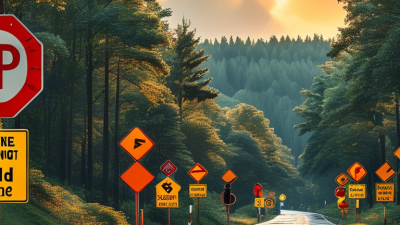
Work zones need temporary warning signs for lane closures, detours, flaggers, and changing road conditions. Choose sturdy panels with high-visibility, retroreflective surfaces, and make sure supports suit the location and expected wind. Details matter. A bent stand or a sign hidden behind equipment can weaken an otherwise sound traffic plan. The FHWA reported 891 work-zone crash fatalities in 2022. That figure does not mean signs alone prevent crashes, but it underscores the need for clear, well-placed warnings.
Before purchasing, compare sign size, viewing distance, nighttime visibility, and how often crews will move each panel. Portable signs save time on shifting projects; fixed guide signs may better serve permanent routes. I would avoid buying from appearance alone. Review the MUTCD guidance, inspect samples in daylight and at night, and ask whether the message remains legible at realistic approach speeds. A little uncertainty is useful here: field conditions can expose problems that a product sheet cannot.
What Are the Top Road Sign Types to Buy in 2026?
Example sign-face areas for common regulatory, warning, work-zone, and guide-sign applications.
Work-zone and warning signs are often selected in larger formats for visibility, while regulatory and guide signs vary by message and road environment. Areas shown are calculated from representative example panel dimensions, not universal requirements. Check the current MUTCD and applicable state or local DOT standards before purchasing.
How to Select Sign Materials, Visibility, and Compliance Features
Choosing a road sign means matching its material to its location, not just its message. Aluminum resists rust and suits long-term outdoor use, while post and panel strength should reflect wind, impact risk, and installation conditions. For the reflective face, check the applicable ASTM D4956 sheeting type and documented performance. A busy urban junction and a dark rural curve do not need identical visibility.
Night changes everything.
The Federal Highway Administration’s 11th Edition MUTCD addresses sign design, placement, and maintenance, including retroreflectivity requirements. Buyers should confirm that the selected sign meets the edition adopted by the relevant road authority; local specifications may add details. Ask suppliers for product data, test documentation, and clear maintenance guidance. A bright sample in a warehouse proves little about performance after years of sun, dirt, and weather.
Visibility deserves practical testing. Check the sign from a driver’s approach, in rain and at night, and note glare from nearby lighting. NHTSA’s 2022 Traffic Safety Facts reported 42,514 U.S. traffic deaths that year; the figure is not a measure of sign effectiveness, but it shows why legibility and compliance deserve careful review. Small details matter. Yet specifications can still miss real-world conditions, so field checks should inform replacement plans.
.png)