.png)
China Top 10 Pedestrian Safety Equipment Suppliers
Pedestrian safety is not a niche purchasing concern. It affects daily journeys around busy intersections, school gates, construction sites, and poorly lit roads. The World Health Organization’s Global Status Report on Road Safety 2023 estimates that road crashes cause about 1.19 million deaths each year. It also reports that more than half of those killed are vulnerable road users, including pedestrians, cyclists, and motorcyclists. The figures make one point clear: visibility, separation, and predictable traffic movement matter.
China’s supplier base spans several practical categories. Buyers may find high-visibility garments, traffic cones, warning lights, pedestrian barriers, crossing equipment, and related safety products. A useful supplier comparison should look beyond product photos. Check material specifications, available test reports, manufacturing experience, customization options, and delivery capacity. For high-visibility clothing, ISO 20471 provides a recognized reference for performance requirements. Still, certification claims need verification against current documentation and the exact product model.
The stakes are real. This guide to China’s top 10 pedestrian safety equipment suppliers is intended as a starting point, not a guarantee of suitability. Product ranges and quality controls can differ, even between suppliers offering similar items. Ask for samples, confirm dimensions and visibility details, and review inspection records before placing a large order. A well-lit vest cannot fix a confusing crossing layout. That is an easy detail to overlook. Pairing equipment with site-specific risk assessment helps buyers make more informed choices and select products that fit real operating conditions.
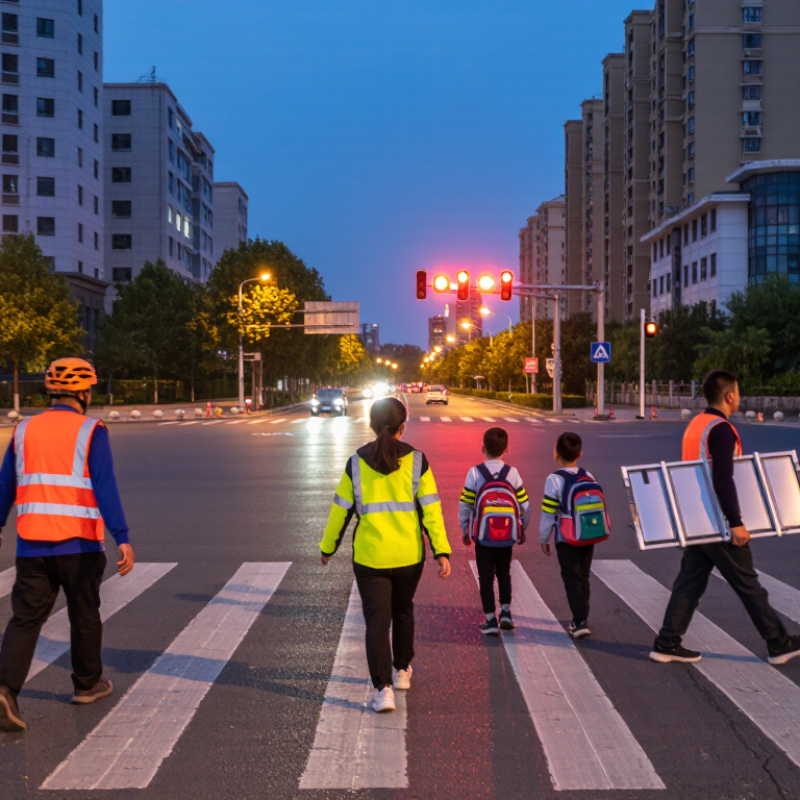
Scope of Pedestrian Safety Equipment in China
China’s pedestrian safety equipment scope is expanding beyond basic reflective vests. It now includes high-visibility clothing, LED warning lamps, traffic cones, portable barriers, crossing beacons, and smart roadside alerts. The National Bureau of Statistics reported that China’s urbanization rate reached 66.16% in 2023. More dense streets create greater demand around schools, construction zones, logistics hubs, and transit stations.
The World Health Organization’s Global Status Report on Road Safety 2023 estimates 1.19 million annual road deaths worldwide. Pedestrians represent about 23% of those fatalities. This data supports stronger demand for equipment that remains visible in rain, fog, and low-light conditions. Chinese buyers increasingly examine reflective performance, battery endurance, impact resistance, and compliance with national standards such as GB 20653.
Suppliers therefore serve several distinct purchasing groups. Municipal authorities need durable barriers and crossing systems. Contractors require compliant workwear and temporary warning devices. Schools and communities often prefer simple, lightweight products for volunteer crossings. Some suppliers now combine reflective materials with sensors or connected alerts, but adoption is uneven. Smart equipment can be expensive. Maintenance is often overlooked. A bright vest with a dead lamp is not reliable protection. Procurement teams should test products in real street conditions, not only accept laboratory documents. Temperature, dust, battery storage, and user comfort still deserve closer attention.
| No. | Equipment Segment | Typical Products | Pedestrian Safety Function | Common Applications | Relevant China Standards or Procurement Checks |
|---|---|---|---|---|---|
| 1 | Traffic signs | Pedestrian crossing, school-zone, warning, prohibition, and direction signs | Warns road users of pedestrian activity and communicates crossing rules and hazards. | Urban roads, school entrances, intersections, parking areas, and temporary work zones | GB 5768 series, including provisions for road traffic signs. Check sign design, placement, visibility, and project-specific requirements. |
| 2 | Road markings | Zebra crossings, stop lines, lane markings, and other pavement markings | Defines crossing locations and guides the movements of pedestrians and vehicles. | Signalized and unsignalized crossings, intersections, access roads, and parking facilities | GB 5768 series, including provisions for road traffic markings. Confirm marking layout and materials against the approved road design. |
| 3 | Pedestrian traffic signals | Pedestrian signal heads, signal poles, push-button units, and compatible control equipment | Provides indications that help pedestrians cross at controlled locations. | Signalized intersections, mid-block crossings, and complex junctions | GB 14886-2016, Setting and Installation of Road Traffic Signals. Verify system compatibility, installation, and commissioning requirements. |
| 4 | Crossing and refuge facilities | Pedestrian crossing layouts, refuge islands, and raised crossing treatments | Creates designated crossing routes and, where designed, a protected place to pause between traffic streams. | Wide roads, intersections, transport hubs, campuses, and community streets | Check the approved road and traffic-safety design, applicable road standards, drainage, accessibility, and local authority requirements. |
| 5 | Temporary work-zone equipment | Cones, delineators, portable barriers, warning lamps, and temporary signs | Separates pedestrians from work areas and helps make temporary routes and hazards visible. | Road maintenance, construction sites, event routes, and temporary diversions | Check the traffic-organization plan, visibility and stability requirements, and applicable road-work and traffic-sign provisions. |
| 6 | Pedestrian guardrails and bollards | Fixed or removable guardrails, pedestrian channeling barriers, and bollards | Helps guide pedestrian movement and discourage entry into vehicle areas or other restricted zones. | Road edges, crossings, transit stops, building approaches, and pedestrian-only areas | Confirm the project design, dimensions, anchoring, material durability, impact considerations, and accessibility clearances. |
| 7 | High-visibility clothing | Reflective vests, jackets, trousers, and other high-visibility workwear | Improves the visibility of workers who may be exposed to traffic or moving equipment. | Road works, traffic control, roadside maintenance, and logistics operations | GB 20653-2020, Protective Clothing—High Visibility Clothing for Professional Use. Select garments to suit the work risk and applicable requirements. |
| 8 | Protective helmets for work activities | Industrial protective helmets used by road and construction workers | Provides head protection for workers exposed to workplace hazards; it is not a substitute for pedestrian traffic controls. | Road construction, maintenance areas, and infrastructure worksites | GB 2811-2019, Protective Helmets. Check intended use, product documentation, and applicable conformity requirements. |
| 9 | Tactile paving and accessible walking-route elements | Tactile warning and directional surfaces, curb ramps, and related route components | Supports accessible pedestrian routes and provides tactile cues at selected locations. | Crossings, transit facilities, public buildings, sidewalks, and public spaces | GB 50763-2012, Code for Accessibility Design, is a relevant design reference. Verify current applicability and project-specific accessibility details. |
| 10 | Pedestrian-area lighting | Roadside luminaires, crossing-area lighting, and lighting controls | Improves visibility of pedestrians, crossing areas, and potential hazards during low-light conditions. | Urban streets, crossings, station approaches, and public pedestrian routes | Check applicable road-lighting design requirements, illumination design documents, electrical safety, and local project specifications. |
| Scope note: This table describes equipment categories and technical checks relevant to pedestrian-safety projects in China. It is not a supplier ranking, market-share assessment, or claim that every listed standard applies to every product or project. Confirm the current standard edition and applicability during procurement. | |||||
Related Posts
-
Top 10 Ways to Enhance Pedestrian Safety in China?
-
How to Choose the Right Pedestrian Signs in 2026?
-

What is the Importance of Pedestrian Crossing Signs for Road Safety?
-
How to Read Road Signs for Safe Driving in 2026?
-
What are Service Signs and How to Choose the Best Options?
-
Why Are Municipal Street Signs Essential for Urban Navigation?