Choosing road safety signs is not just a matter of picking bright colors from a catalog. Buyers need to consider where each sign will be installed, who must see it, and what action it should prompt. A sharp turn, a school crossing, and a temporary work zone each call for different information. Small details matter. A sign hidden by tree branches or washed out by glare may be easy to overlook.
This guide introduces ten common types of road safety signs and the situations they are designed to address. It covers warning, regulatory, directional, pedestrian, and work-zone signs, while noting practical factors such as visibility, mounting, material, and expected exposure to weather. The right choice depends on the site. A reflective face can help at night, but placement and maintenance still matter. Buyers should also check applicable local standards and project specifications before ordering, since sign formats and requirements can vary by location.
A checklist helps. Measure the viewing distance, inspect lighting and sight lines, and consider whether drivers have enough time to respond. Ask suppliers for clear product specifications and, where relevant, test or certification information. Avoid choosing by price alone. Yet no product description can replace a careful site review. That is worth remembering. This overview is a starting point, not a substitute for qualified traffic planning. Some sites look simple until you stand beside the road and see how quickly conditions change.
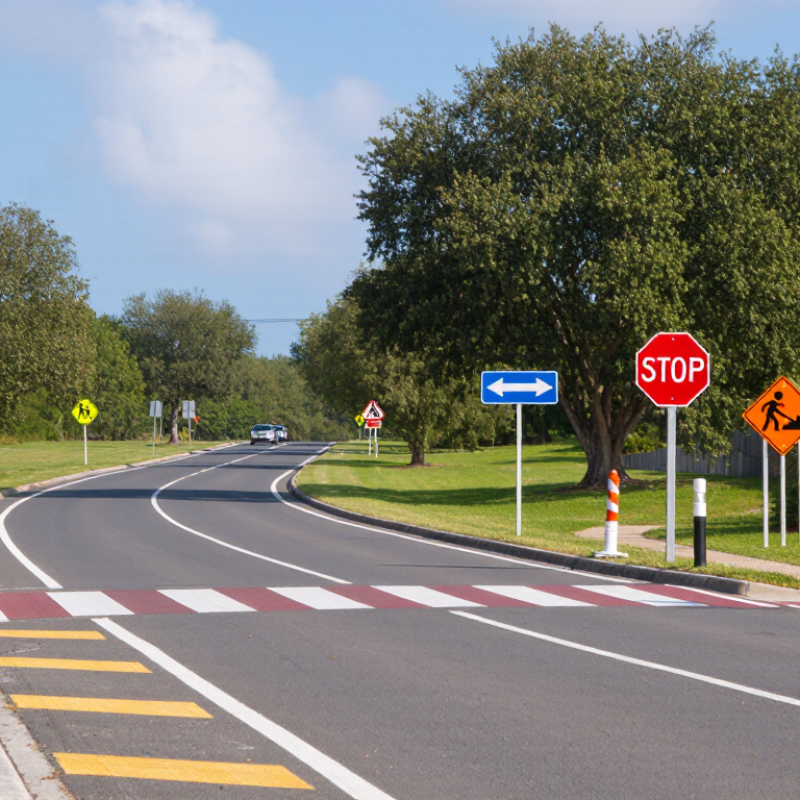
Road safety signs turn road conditions into quick visual messages. They warn, regulate, guide, and mark places where people may cross. Common types include speed-limit signs, stop signs, curve warnings, pedestrian-crossing signs, direction signs, and temporary roadwork signs. Each serves a different purpose. A sharp-bend warning gives drivers time to slow down; a directional sign helps them choose a lane before reaching an intersection. Traffic moves fast. Clear symbols, readable lettering, and strong contrast help people understand messages at a glance. Colors and shapes carry familiar meanings in many places, but conventions can vary by region.
For buyers, the sign’s job and installation setting matter as much as its appearance. A sign near a school needs to be visible to drivers approaching at different speeds and angles. A roadside sign may face rain, dust, glare, or fading sunlight, so material and reflective performance deserve careful attention. Size should suit the road and viewing distance, while wording should stay brief. Clutter competes with the message. Even a well-made sign can be missed if branches block it or it appears too late. Placement should follow local road guidance, and the message should fit real conditions—not just a catalog description. That part is easy to overlook.
Regulatory signs communicate rules that drivers must follow. They control speed, movement, access, parking, and vehicle limits. Common examples include speed-limit, stop, yield, no-entry, one-way, and turn-restriction signs. Weight-limit and height-clearance signs protect bridges, tunnels, and narrow road sections. Lane-control signs guide traffic during changing conditions.
For buyers, clarity is more important than decoration. Choose strong contrast, readable lettering, and reliable retroreflective sheeting. A driver should recognize the message from a safe distance, even at night or in rain. Check the sign’s size against road speed, lane width, and viewing distance. Mounting height also matters. A sign hidden behind tree branches has little practical value. Small details become serious risks.
Field inspections often reveal a difficult truth: a technically correct sign can still confuse road users. Symbols may be unfamiliar, or several signs may crowd one pole. Buyers should review installation drawings, local traffic requirements, material durability, and resistance to fading, corrosion, and impact. Ask for documented testing where available. A low-cost sign may become expensive after early replacement. Still, testing alone is not enough. Visibility changes with fog, glare, dirt, and vehicle headlights. Examine real-site conditions before approving a large order.
Top 10 Types of Road Safety Signs for Buyers
Warning signs help drivers notice hazards before reaching them. They commonly show sharp bends, narrow roads, merging traffic, falling rocks, pedestrians, animals, and slippery surfaces. Their bright colors and clear symbols should remain visible during daylight, rain, fog, and nighttime driving. A useful warning sign gives drivers time to reduce speed, change position, or prepare for sudden movement.
Buyers should inspect the sign’s material, reflective surface, mounting strength, and viewing distance. Experienced road safety teams also check whether the symbol matches local driving conditions. For example, a school-zone warning needs strong visibility near crossing points, while a curve sign should appear before drivers must turn. Do not choose a sign only because it looks attractive. That mistake happens. Dust, glare, poor contrast, and tree cover can reduce its value. Testing visibility from different distances is a practical quality check.
Tips: Choose simple symbols with strong contrast. Check reflective performance at night. Use weather-resistant materials for outdoor installation. Place signs where drivers can react safely. Review nearby signs to prevent visual overload. Keep a maintenance record and replace damaged panels quickly. A small crack may spread after freezing weather. Even careful buyers can miss this detail.
Warning signs alert drivers to hazards ahead, including curves, intersections, crossings, and changing road conditions.
Each bar represents one example in this overview, not the frequency of signs on roads or the level of crash risk. Sign designs and meanings can vary by jurisdiction.
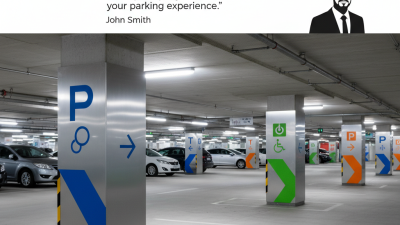
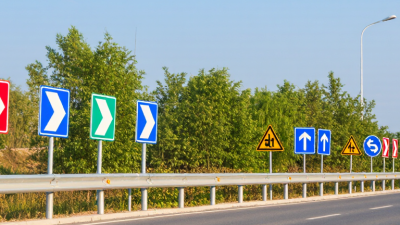
Guide and information signs help drivers understand where they are and what comes next. They include destination boards, route markers, service signs, parking signs, and distance panels. The World Health Organization’s Global Status Report on Road Safety 2023 reports about 1.19 million road deaths annually. Clear navigation cannot prevent every crash, but it can reduce hesitation, sudden lane changes, and missed exits.
Buyers should check viewing distance, letter height, contrast, retroreflectivity, mounting height, and weather resistance. The U.S. Federal Highway Administration’s traffic-sign guidance stresses consistent shapes, fonts, colors, and placement. A useful sign should be readable before the decision point, not beside it. During site reviews, I have seen technically compliant signs still confuse drivers because trees, glare, or complex wording weakened their message. That detail is easy to miss.
Tips: Ask for nighttime photographs and retroreflectivity test results. Confirm that destinations match current maps and local road layouts. Use simple wording and enough spacing. Avoid overcrowding one panel. The International Road Federation has repeatedly highlighted human error and poor road communication as practical safety concerns. Still, sign design is not perfect. A larger sign is not always clearer. Buyers should test proposed layouts with unfamiliar drivers, then revise what causes hesitation.
Buyers comparing the top ten road safety sign types should assess performance, not appearance alone. These include stop, yield, speed-limit, warning, no-passing, pedestrian-crossing, school-zone, railroad-crossing, route-marker, and work-zone signs. The substrate matters. Aluminum is lightweight, corrosion-resistant, and widely used. Polycarbonate can resist impact, but heat and mounting conditions require closer inspection. Galvanized steel offers strength, yet it adds weight and may need better corrosion protection.
Visibility is measurable. ASTM D4956 classifies retroreflective sheeting from Type I through Type XI, with higher-performance materials generally supporting longer viewing distances. The FHWA Manual on Uniform Traffic Control Devices, 11th Edition, requires agencies to maintain minimum retroreflectivity for many sign colors and permits three assessment methods. Buyers should request sheeting classification, nighttime test results, and color-retention data. Bright in daylight is not enough.
Durability depends on exposure. UV radiation, road salt, dust, repeated washing, and freezing temperatures can shorten service life. NHTSA recorded 42,514 U.S. traffic deaths in 2022, reinforcing the importance of clear roadside communication. Still, higher price does not guarantee better field performance. A thick panel can fail when its reflective film lifts at the edge. During inspection, check sealed borders, mounting holes, corner damage, and legibility from a driver’s distance. Some specifications look impressive on paper. Real roads are less forgiving.
| Road Sign Type | Typical Appearance | Common Sign Materials | Visibility Considerations | Durability and Buyer Checks |
|---|---|---|---|---|
| 1. Stop Signs | Usually an eight-sided red sign with a white legend. | Aluminum is common for permanent installations; steel and suitable plastics may be used for some temporary applications. | Retroreflective sheeting helps return headlight illumination toward drivers at night. Placement and unobstructed sightlines are essential. | Check edge finish, mounting holes, corrosion resistance, legend legibility, and whether the sheeting meets local requirements. |
| 2. Speed Limit Signs | Typically rectangular, with a white background and dark numerals in many jurisdictions. | Commonly aluminum for fixed roadside signs; portable sign panels may use other durable, lightweight substrates. | Numerals should be readable from the required approach distance. Select reflective performance for the road speed, lighting, and local standards. | Compare panel rigidity, resistance to fading and weather, and the availability of compliant replacement faces or panels. |
| 3. Yield Signs | Usually an inverted triangle, commonly red and white. | Aluminum is widely used for permanent signs; suitable temporary sign substrates may be used at work sites. | Retroreflective surfaces improve nighttime conspicuity; keep the sign visible before the point where drivers must yield. | Inspect the triangular panel for warping, secure mounting, clear color contrast, and resistance to moisture and UV exposure. |
| 4. No Entry / Do Not Enter Signs | Often a red circular sign with a contrasting horizontal white bar; exact design can vary by jurisdiction. | Aluminum is a common choice for permanent roadside use; temporary versions may use portable sign panels. | High-contrast colors and retroreflective sheeting help drivers identify restrictions in low light. | Confirm the required local symbol and wording, then check coating adhesion, panel condition, and mounting compatibility. |
| 5. Curve and Turn Warning Signs | Commonly diamond-shaped with a dark arrow or curve symbol on a yellow background. | Aluminum is typical for permanent installations; flexible or portable substrates may be used for temporary traffic control. | Reflective sheeting supports nighttime recognition. Sign placement should give drivers enough time to respond to the road alignment. | Check symbol clarity, resistance to fading, panel flatness, and suitability for the installation environment. |
| 6. Pedestrian Crossing Signs | Often a warning-shaped sign with a pedestrian symbol; color and layout depend on local standards. | Aluminum is common for permanent signs. Some locations use fluorescent-colored sign faces where permitted. | Consider daytime contrast, nighttime retroreflection, and visibility against nearby buildings, trees, and street lighting. | Verify the approved design, color retention, reflective performance, and resistance to dirt and routine cleaning. |
| 7. School Zone Signs | Typically use a school-related symbol or message; fluorescent yellow-green is used in some jurisdictions. | Aluminum is common for fixed signs; temporary panels can be used for short-term traffic arrangements. | High-visibility colors can improve daytime conspicuity; retroreflective faces help at night and in poor light. | Check local color and legend rules, UV-related fading resistance, and compatibility with supplementary time or speed panels. |
| 8. Road Work / Temporary Traffic Control Signs | Often orange with black symbols or text, with designs selected for the work-zone message. | May use aluminum, rigid plastic, or other approved portable panels; flexible substrates can suit some temporary devices. | Choose visibility appropriate to work duration, speed, lighting, and weather. Retroreflective faces are important where signs remain after dark. | Prioritize portability, resistance to repeated handling, stable supports, legible legends, and compliance with work-zone rules. |
| 9. Railroad Crossing Signs | Crossbuck signs commonly use crossed boards with contrasting lettering; advance warning signs may also be installed. | Aluminum is commonly used for fixed sign panels; the exact assembly and additional devices depend on the crossing and local rules. | Maintain clear visibility on the approach. Reflective materials can support nighttime recognition but do not replace required active warning devices. | Check the approved sign assembly, secure mounting, corrosion protection, and coordination with the responsible rail and road authorities. |
| 10. Guide and Directional Signs | Often rectangular, with destination names, route information, arrows, or symbols; colors vary by sign function and jurisdiction. | Aluminum panels are widely used; large signs may use panelized construction and structural supports designed for the site. | Evaluate letter size, contrast, viewing distance, overhead or roadside placement, and reflective sheeting for nighttime legibility. | Compare panel stiffness, support requirements, replaceable components, wind loading, and access for inspection and maintenance. |
Buyer note: Sign shapes, colors, materials, reflective performance, and installation rules vary by country and road authority. Confirm applicable local standards and site requirements before ordering.