Top Types of Traffic Stop Signs for Global Buyers?
Choosing the right traffic stop signs requires more than comparing prices or product photos. Global buyers must consider visibility, durability, installation, and regional road requirements. A sign that performs well on a quiet private road may fail near a busy loading area. Details matter.
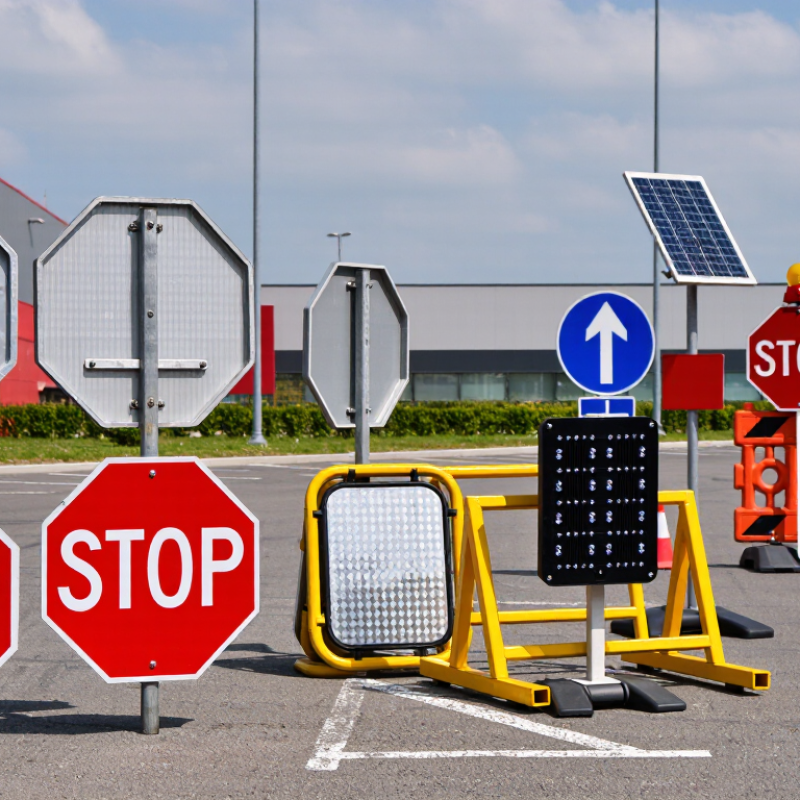
Common options include reflective aluminum signs, high-intensity prismatic signs, portable folding signs, solar-powered LED signs, and temporary construction signs. Reflective aluminum models are lightweight and suitable for permanent outdoor use. High-intensity prismatic surfaces improve readability when headlights strike at night. Portable signs support events, parking management, and changing work zones. LED versions attract attention in poor weather, although they require reliable power and maintenance.
Material quality is only one part of the decision. Buyers should inspect the sign’s reflective performance, edge finishing, mounting holes, pole compatibility, and resistance to rain, heat, wind, and ultraviolet exposure. Ask for test reports, sample units, and clear product specifications. Photos can mislead.
Local compliance remains essential. Size, wording, color, symbols, mounting height, and reflective grades may differ between countries or regions. Confirm requirements with the relevant road authority before placing a large order. Do not assume an internationally familiar design is automatically acceptable everywhere. That assumption can be costly.
A practical purchasing review should compare the installation environment, expected service life, maintenance needs, packaging strength, and supplier support. Some buyers focus heavily on unit price and overlook replacement costs. I would not make that mistake twice. The best traffic stop signs balance clear communication, dependable construction, and verified suitability for their intended location. Performance should be tested in real conditions, not judged from a catalog alone.
What Traffic Stop Signs Are and Why They Matter
Top Types of Traffic Stop Signs for Global Buyers
Traffic stop signs control movement at crossings, work zones, entrances, and temporary road changes. Their purpose is simple: give drivers a clear instruction before conflict occurs. Common types include fixed regulatory signs, portable stop paddles, folding signs, and illuminated or reflective panels. Each option suits a different setting. A permanent sign may serve a busy junction, while a portable panel can guide vehicles around short-term maintenance. The message must remain readable from a safe stopping distance.
For global buyers, visibility matters more than appearance alone. Strong contrast, weather-resistant materials, and reliable mounting reduce confusion in rain, dust, or low light. Retroreflective surfaces can return headlights toward drivers at night. However, reflectivity does not replace correct placement. Local road authorities may specify sign dimensions, colors, symbols, and installation heights. Requirements vary between regions, so buyers should confirm current specifications before ordering. A sign can look excellent yet perform poorly when glare, tree cover, or a narrow viewing angle blocks it.
Tips: Check the viewing distance, mounting stability, and material test records. Ask for sample photos in daylight and darkness. Inspect hinges and edges, too. Small defects become expensive later. I have found that buyers sometimes focus on unit price and overlook transport damage, storage space, or replacement parts. That choice can weaken an otherwise sound traffic-control plan.
Top Types of Traffic Stop Signs for Global Buyers
What traffic stop signs are and why they matter: the octagonal STOP sign is internationally recognizable, while sign size should be selected according to road speed, visibility distance, and local regulations.
How to read the chart: Larger signs are typically required where vehicles travel faster or where drivers need more time and distance to recognize the sign. The dimensions shown are standard minimum face sizes listed for the U.S. regulatory STOP sign in the Federal Highway Administration’s Manual on Uniform Traffic Control Devices, Table 2B-1. Global buyers should confirm the applicable local standard before production or installation.
Main Types of Traffic Stop Signs by Shape and Function
Top Types of Traffic Stop Signs for Global Buyers?
Main Types of Traffic Stop Signs by Shape and Function
The octagonal stop sign is the clearest choice for mandatory stopping. Its eight-sided shape remains recognizable when dirt, snow, or glare affects the lettering. Most versions use a red background, white border, and white STOP message. Buyers should check sign diameter, aluminum thickness, reflective performance, and mounting-hole placement before ordering. Small differences can affect installation.
Triangular signs usually indicate yielding or giving way. Their point-down shape helps drivers identify a reduced-priority approach quickly. Circular signs often communicate restrictions, such as movement limits or controlled access. Rectangular plates serve as supplementary signs. They can show distance, direction, time limits, or special instructions beside a primary sign. The shape supports the message, but the wording and symbols must remain easy to read.
Material choice matters in outdoor conditions. Aluminum resists corrosion, while reflective sheeting improves visibility under headlights. In coastal areas, protective finishes deserve closer attention. A buyer should also consider wind load, post strength, edge safety, and cleaning requirements. Local traffic authorities may specify colors, dimensions, symbols, and installation heights. Requirements vary by region.
Do not rely on appearance alone. A sign may look correct but perform poorly at night. I have found that packaging and surface protection are often overlooked during international shipping. Scratched reflective faces can create costly replacements. Clear technical drawings, sample inspections, and documented test results make purchasing more dependable, although they cannot remove every uncertainty.
Materials and Visibility Features for Different Environments
Top Types of Traffic Stop Signs for Global Buyers
Materials and visibility features should match the environment, not merely the purchase price. Standard octagonal stop signs often use aluminum because it resists corrosion and remains light for installation. In coastal areas, a protective coating and sealed mounting holes reduce salt damage. Galvanized steel suits high-impact locations, but it needs stronger support and careful rust control. Polycarbonate can reduce weight, although heat and ultraviolet exposure may shorten its service life. This is easy to overlook.
For nighttime recognition, choose high-intensity or prismatic retroreflective sheeting. The 2023 FHWA Manual on Uniform Traffic Control Devices requires regulatory signs to be retroreflective or illuminated, with limited exceptions. NHTSA’s 2022 Traffic Safety Facts also reports that more than half of traffic deaths occurred in dark conditions, reinforcing the need for reliable night visibility. In fog, rain, or dusty roads, a clean red field and strong white legend improve contrast. Fluorescent materials may help near schools or temporary work zones, but they can fade faster under intense sunlight. Bright is not always better.
Buyers in snowy regions should consider frost-resistant faces and rounded sign edges. Tropical markets need UV-stable coatings and drainage-friendly brackets. Measure viewing distance, mounting height, glare, and cleaning access before selecting a finish. A reflective sign may still fail when mud covers its lower edge. Specify performance testing, not vague claims, and request documentation aligned with ASTM or ISO methods. Local road authorities may also impose different color, size, and placement requirements. Verify them before production.
International Standards, Sizes, and Compliance Requirements
Top Types of Traffic Stop Signs for Global Buyers?
International buyers should treat a stop sign as a regulated safety device, not a simple metal panel. The familiar octagonal design is widely recognized, but wording, color, border width, and mounting rules vary by country. Some authorities require “STOP,” while others accept local languages or bilingual text. Confirm the approved layout with the road agency before production. A small wording error can cause rejection.
Size depends on road speed, viewing distance, and installation location. Common sign faces range from about 600 to 900 millimeters, but local schedules may require different dimensions. Retroreflective sheeting should meet the destination market’s photometric class, such as RA2 or RA3 where applicable. Check color coordinates, night visibility, and test reports. Bright red is not automatically compliant. It must remain visible under headlights, rain, and dust.
Material selection also affects approval. Aluminum panels resist corrosion, while galvanized steel may suit heavier installations. Ask for thickness data, edge treatment, wind-load calculations, and mounting-hole positions. Posts and brackets should match local height and setback requirements. Procurement teams sometimes focus only on the sign face. That is an expensive oversight. Requirements can also cover packaging, labeling, inspection samples, and traceable certificates. Even a technically strong sign may fail because its documentation is incomplete.
How Global Buyers Compare Suppliers and Select the Right Signs
Global buyers usually compare more than the shape of traffic stop signs. Standard octagonal signs are widely recognized, but sizes, colors, symbols, and languages may differ by market. Some projects also require bilingual wording or custom directional layouts. Details matter. Buyers should confirm the target road authority’s specifications before requesting quotations.
Supplier comparison should begin with material and performance evidence. Ask whether the sign uses corrosion-resistant aluminum, durable outdoor coating, and certified retroreflective sheeting. Request thickness data, color samples, test reports, and production photos. Check the mounting holes, edge treatment, and compatibility with local posts. A low price can hide weaker finishes or incomplete accessories. Ask for evidence.
Reliable suppliers explain their quality process clearly. They should identify inspection points, packaging methods, and expected service conditions. A sample order can reveal surface scratches, uneven printing, poor drilling, or weak packaging before a large purchase. It is also useful to compare lead times and replacement policies in writing. No comparison is perfect. Documents may be incomplete, and samples may not represent every batch. Buyers should record these uncertainties instead of assuming everything is acceptable. A practical evaluation combines technical fit, supplier communication, verified testing, and consistent production control. The right sign is not simply the cheapest option; it is the one that remains visible, durable, and suitable for the intended road environment.
.png)